

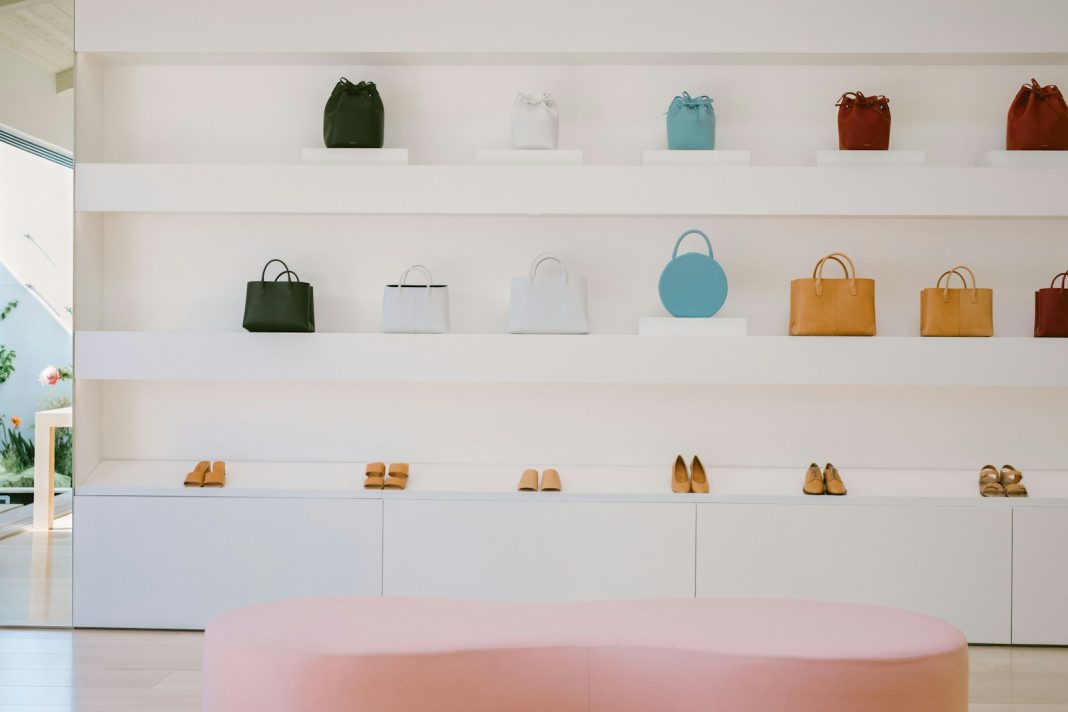
In a world obsessed with scaling up—bigger houses, wider screens, longer to-do lists—it’s fascinating that one of fashion’s most potent movements in recent years has been in the opposite direction: smaller, sleeker, simpler. At the center of this minimalist rebellion stands the mini bag—a palm-sized accessory that defies logic and expectation, and yet dominates runways, social media, and street style alike.
What began as a cheeky novelty item has evolved into a cultural and stylistic icon, challenging assumptions about functionality, gender, and self-expression. These tiny carriers—barely large enough to hold a lipstick or a credit card—have become statements in themselves. They mock the utilitarian and celebrate the aesthetic. They say: I don’t carry much, but I carry myself.
So, why are these micro accessories so massive in impact? Why are we downsizing our bags in an age where we seem to be carrying more than ever before—physically and metaphorically?
The Mini Bag as a Fashion Power Move
Contrary to their size, mini bags hold enormous visual and psychological weight in an outfit. They function less as containers and more as punctuation marks—adding tone, mood, and meaning to a look.
Designers from Jacquemus to Chanel have leveraged the mini bag as a power accessory, capable of transforming a minimal outfit into a high-impact ensemble. Paired with an oversized blazer, a structured mini bag adds refinement. Worn with a casual dress, it injects editorial drama. Worn crossbody with denim and a white tee, it instantly reads as curated.
In essence, the mini bag operates like a piece of jewelry—it doesn’t dominate; it enhances. Its mere presence suggests confidence, minimalism, and control—qualities increasingly coveted in a world that often feels overstimulated.
There’s also a quiet rebellion to it. Carrying a mini bag is a refusal to lug around the weight of daily life. It’s a stylistic declaration that says, “I’ve edited my essentials. I know what I need.”
From Joke to Genius: The Rise of the Iconic Tiny Tote
When designer Simon Porte Jacquemus debuted his infamous Le Chiquito bag in 2019, fashion critics weren’t sure whether to laugh or applaud. Barely bigger than an AirPods case, the micro bag seemed like a parody of high fashion excess. But what started as a viral moment quickly morphed into a cultural signal.
The fashion world took notice. What was once perceived as absurd became aspirational. Celebrities and influencers flaunted theirs like trophies—carried between two fingers, worn like necklaces, or clipped onto belt loops. The message was clear: you didn’t need a large bag to prove your value. In fact, the smaller your bag, the more confidence it exuded.
Design houses like Fendi, Valentino, and Dior followed suit, releasing their own mini and micro versions of classic silhouettes. Suddenly, bags were less about practicality and more about presence.
Mini Bags and the Digital Shift
It’s no coincidence that the mini bag boom coincides with our migration to a digitally minimal lifestyle. Our phones hold our calendars, contacts, bank accounts, and boarding passes. Wallets have shrunk or disappeared entirely. Makeup kits have downsized to tinted balms and pocket mirrors. Keys have been replaced by apps and key cards.
In this digital-first world, the need for a large, heavy bag has diminished. The mini bag responds perfectly to this shift. It holds what we actually use—our phone, cards, lip balm, and maybe a hair tie. No more crumpled receipts, forgotten pens, or half-eaten protein bars lurking at the bottom of oversized totes.
In many ways, the mini bag represents freedom from clutter—both physical and mental. It symbolizes an age where less truly can be more, if curated with care.
Fashion Psychology: The Appeal of Tiny Proportions
From dollhouses to miniature foods, there’s something inherently fascinating about small objects. They evoke delight, nostalgia, and curiosity. Mini bags tap into this psychology in a powerful way.
Their scale defies expectations, and that’s precisely what makes them so captivating. We look at a tiny bag and ask: What could possibly fit in there? The bag becomes a conversation starter, an object of charm and playfulness.
But there’s also something empowering about carrying less. It suggests a streamlined life, a decluttered mind, a person who doesn’t need to lug their identity around with them. It subtly communicates efficiency, clarity, and self-assuredness—qualities that resonate deeply with today’s aspirational values.
Mini Bags and Feminism: A Complicated Love Affair
For some, the mini bag trend is not without criticism. In feminist discourse, questions have been raised about the mini bag’s practicality—or lack thereof. Some argue that it glamorizes fashion over function, subtly reinforcing outdated ideas about women as ornamental or frivolous.
But others see the mini bag as a feminist reclamation of fashion on one’s own terms. After decades of being told to carry “practical” bags to juggle work, home, and everything in between, perhaps the mini bag is a way of saying: I don’t owe you function. I carry what I want, how I want.
In this reading, the mini bag isn’t restrictive—it’s liberating. It’s not about shrinking the woman to fit the bag, but about choosing not to carry the burdens that are expected of her. It’s opting for aesthetics, joy, and personal expression over utility when she decides that’s what she wants.
Gender Fluidity and the Mini Bag
Once confined to women’s fashion, bags—especially mini ones—are increasingly crossing into genderless style. Designers like Rick Owens, JW Anderson, and Bottega Veneta have embraced the bag as a unisex accessory. Celebrities from A$AP Rocky to Timothée Chalamet have sported mini pouches and structured bags in their fits without irony or hesitation.
This fluidity reflects broader shifts in fashion, where accessories no longer carry strict gender codes. A mini crossbody or a structured pouch is no longer a “women’s bag”—it’s simply style.
The result? A growing movement of men and non-binary individuals adopting mini bags as part of their everyday wardrobes, not for novelty, but because form and function are no longer bound by gender expectations.
Mini Bags in a Sustainable Future
There’s another reason the mini bag is resonating right now: sustainability. As consumers grow weary of wasteful production and fast fashion, mini bags offer a more mindful purchase. Their size naturally limits material use, and many are crafted with a level of artistry that encourages long-term ownership.
Consumers are leaning into “fewer, better things”, and a mini bag fits that philosophy perfectly. It may be small, but it’s not disposable. It’s an investment, an heirloom, a curated object meant to be worn often and styled creatively.
Moreover, in a fashion industry often bloated with excess, the mini bag is a reminder that scale doesn’t determine significance.