

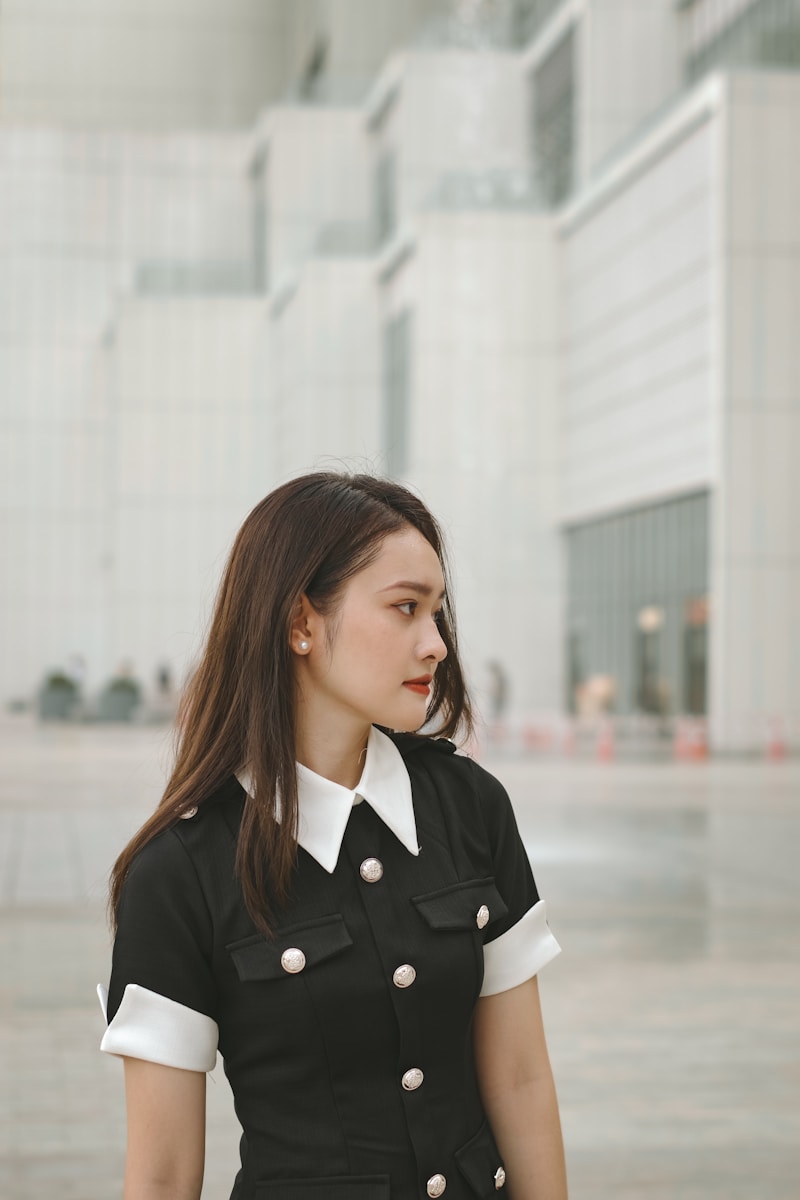
Fashion has always been more than the clothes we wear. It’s a language of texture, rhythm, and layering—a silent dialogue between skin and fabric, mood and material. In the contemporary landscape where style is as much about sensation as it is about aesthetics, the practice of layering and contrasting textures has become one of the most evocative expressions of individuality.
Layering is no longer just a practical response to the weather; it’s an artistic statement. And texture, once an afterthought to color and silhouette, has now emerged as a defining principle of modern dressing. Together, layering and texture contrast form a powerful duet—a means of storytelling that transcends trends and seasons.
In a world increasingly dominated by flat screens and digital interactions, the craving for the tactile has found its voice through fabric. And at the heart of that resurgence lies a deceptively simple truth: how something feels often matters just as much as how it looks.
The Emotional Architecture of Layering
Layering is often perceived as a stylistic technique to add volume or warmth, but at its core, it’s about emotional architecture. Every layer—visible or hidden—serves a purpose. A wool overcoat shielding a silky blouse, a sheer mesh underlayer peeking from beneath a structured vest, or a hoodie tucked beneath a blazer speaks volumes about a wearer’s intentions, values, or even moods.
Layering can imply protection, mystery, casual defiance, or deliberate elegance. It allows for subtle shifts in identity within a single outfit. One can dress up or down simply by adjusting a layer—slipping off a jacket, unbuttoning a shirt, tying a cardigan around the waist. It invites the wearer to actively engage with their clothing throughout the day, reshaping their look and feel moment to moment.
At its best, layering also communicates mindfulness. It tells us that thought went into building an outfit. Each added piece says, “This wasn’t accidental.” And in a culture often enamored with the spontaneous or effortless, intentionality becomes radical.
Texture: The Quiet Protagonist of Style
While color and silhouette often dominate fashion discourse, texture is the silent protagonist that gives depth and complexity to an ensemble. Velvet absorbs light, making a statement of subdued richness. Leather reflects it with unapologetic edge. Ribbed knits offer tactile softness, while sequins demand visual attention with every movement.
Combining contrasting textures creates visual dialogue. It interrupts expectations. A rough tweed against smooth silk creates tension and balance. The ruggedness of denim colliding with the delicacy of lace sparks a certain alchemy—masculine meets feminine, utilitarian meets romantic.
More importantly, texture brings tactility into fashion’s visual vocabulary. It turns sight into imagination—viewers can almost feel the clothing through their eyes. And for the wearer, texture becomes a bodily experience. The way suede feels different from cotton, or how satin glides versus how canvas resists, makes the act of dressing sensory and intimate.
Modern Interpretations of Texture Pairing
Contemporary style icons and designers have embraced the art of textural contrast as a core aesthetic principle. Brands like The Row, Totême, and Acne Studios frequently build collections that layer and clash textures in elegant restraint—pairing glossy silks with matte jerseys or stiff wools with gauzy linens.
Streetwear too has made textural juxtaposition central to its identity. The clash between luxury and casual finds its expression in pairing satin bomber jackets with distressed denim, or leather cargo pants with oversized knitwear. It’s this friction that gives modern outfits their attitude.
Even within minimalist wardrobes, the focus has shifted toward visual interest through tactile diversity. Monochrome looks no longer rely on color but on texture. A beige outfit may combine cashmere, cotton, and leather—each piece a different shade, weight, and feel, transforming sameness into something layered and alive.
Practical Principles for Mixing Textures
Though there is artistry in mixing textures, there is also technique. For those experimenting with layering and contrast, a few guiding principles can ensure cohesion:
- Balance the Weight
Heavier fabrics like wool or denim should anchor the outfit, while lighter fabrics such as chiffon or silk can layer over or under to provide contrast without bulk. Think of texture as you would music—bass and treble working in harmony. - Limit the Palette
When mixing many textures, limiting the color palette keeps the look grounded. For instance, combining leather, mohair, and cotton in shades of gray creates richness without overwhelming the eye. - Play With Structure
Texture also plays into how a garment holds shape. Combining flowy with structured pieces—like a soft cashmere sweater under a sharply tailored coat—creates architectural interest in your silhouette. - Consider Functionality
Layering isn’t just about looks. Understanding how pieces interact—how the inner layer feels on your skin, how the outer layer moves—ensures the final ensemble is not just fashionable but functional. - Let One Texture Dominate
To avoid visual clutter, allow one texture to be the focal point. A velvet blazer, for instance, should stand out, with subtler supporting textures like cotton or silk.
Layering as Identity
In cultures across the globe, layering has long been a vehicle for expression. From the intricate saris of India to the structured kimono of Japan, from Scandinavian knitwear traditions to the desert robes of Tuareg nomads, layered dressing carries cultural, climatic, and symbolic meanings.
In the West, layering has evolved from a necessity to a form of rebellion and identity formation. Punk used layers to express disorder. Grunge used it to challenge fashion norms. Bohemian style uses it to signify freedom and nonconformity. Each subculture found its voice not just in what was worn, but how it was layered—how textures clashed or coexisted.
In today’s world, layering and textural contrast have become tools for constructing personal identity. They allow wearers to create meaning out of mix. To curate their own visual symphony, where velvet can sit next to denim, silk can soften the edges of leather, and rough can meet refined in a single look.
Layering in the Age of Sustainability
As fashion slowly shifts from fast consumption to thoughtful curation, the practice of layering has also found new relevance. Layering extends the use of garments across seasons. A slip dress becomes a winter staple when layered with knits and boots. A trench coat adapts to summer rain and winter wind alike when styled differently.
Texture too, when viewed through a sustainable lens, encourages appreciation for fabric quality. It invites us to choose fewer but better items—garments that not only look good but feel good, age well, and evolve with us.
The tactile journey of fashion invites a slower engagement. It resists the flatness of screen culture and fast trends. Layering becomes a ritual, texture becomes memory.